25 Mar Clifford Stephan
Posted at 06:08h
in
Podcast
by Admin50-50
You Can’t Out-Train Alcohol After 50 (Trust Us, We Really Tried)! …
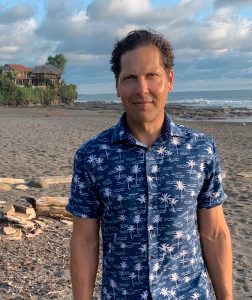
Clifford Stephan
Clifford did everything right: hard workouts, clean eating, supplements, biohacks—the whole playbook. But despite decades as an athlete and a successful Silicon Valley entrepreneur, his sleep, energy, and performance kept slipping. In this episode, we unpack why alcohol quietly breaks the rules, especially after 50, and what actually helps men get back to sharp, strong, and fully themselves again.
Episode Summary:
Why high-performing men can still be running on “60%”—and how a longer alcohol break can restore sleep, energy, mood, and metabolic health.
Clifford Stephan built a successful life in Silicon Valley—running a compensation consulting firm for 20+ years, advising pre-IPO tech and major healthcare organizations—while staying active and health-minded. But despite doing “all the right things” (training, clean eating, supplements, meditation, fasting), he hit a wall in his late 30s/early 40s: poor sleep and sleep apnea that drove brain fog, belly fat, low energy, and worsening blood markers.
Clifford realized he had been trying to out-train and out-diet regular alcohol use, and it wasn’t working—especially as aging physiology made alcohol harder to recover from. Inspired by the book Alcohol Lied to Me, he started taking longer breaks from drinking and saw rapid, meaningful improvements: better sleep, clearer skin, less puffiness, more stable mood and energy, and better focus mid-week. That experience turned into Booze Vacation—a protocol designed not for “problem drinkers,” but for high-performing men who drink socially, feel stuck at 60–80%, and want to get back to 100%.
In the conversation, Clifford explains why short breaks like Dry January often don’t change habits, why longer breaks (3–6 months and beyond) can be necessary for deeper recovery, and how to navigate business dinners and social events without alcohol—without turning it into a big deal. The goal isn’t permanent sobriety; it’s giving people enough runway to restore sleep, metabolism, and decision-making—then choose how they want to drink going forward.
The Conversation Covers:
Background & credibility
- Grew up in Silicon Valley; ran a compensation consulting firm for 20+ years
- Designed executive and employee compensation for pre-IPO tech and major healthcare organizations
- Lifelong athlete with a degree in nutritional science
The hidden health crisis
- Regular social drinking starting in high school → college → corporate life
- Not alcoholism, but habitual, normalized alcohol use
- Onset of sleep apnea, brain fog, belly fat, low energy, and declining blood markers
Why “doing everything right” still failed
- Tried to out-train and out-diet alcohol
- Supplements, fasting, meditation, sauna, fitness—none fully worked
- Aging metabolism makes alcohol harder to recover from in your late 30s–40s
Sleep as the breaking point
- Alcohol’s outsized impact on sleep architecture and recovery
- Poor sleep → caffeine dependence → metabolic dysfunction → performance decline
- Sleep apnea as a wake-up call
The Dry January problem
- One-month breaks don’t change habits or neurochemistry
- Most people resume drinking by Super Bowl Sunday
- Short breaks reinforce the idea that alcohol “isn’t the problem”
Why longer breaks matter
- 3–6 months may be required for neural recovery
- Longer breaks reduce cravings and change baseline stress and mood
- More runway = more lasting behavior change
The Booze Vacation concept
- Not anti-alcohol or sobriety-focused
- Designed for high-performing, social drinkers
- Goal: restore sleep, metabolism, energy, and decision-making
- Then choose how (or if) to drink going forward
Social pressure & identity
- Alcohol as part of success, deal-making, and male bonding
- Fear of standing out or being judged
- Simple, low-drama responses work best (“I’m on a break right now”)
Early wins guys notice
- Improved sleep and REM within weeks
- Reduced facial puffiness and clearer skin
- Better focus, mood, and mid-week energy
- Less belly fat and easier fat loss
Long-term outcomes
- Better decision-making and emotional regulation
- Less habitual drinking after the break
- Stronger awareness of what alcohol actually costs
- Many choose to drink far less—or not at all—by preference
Who this works for (and who it doesn’t)
- Best for men with careers, families, and something to protect
- Requires buy-in and willingness to sit with discomfort
- If a break isn’t possible, it may signal deeper alcohol use issues
Alcohol’s broader health impact
- Disrupts sleep, metabolism, hormones, and inflammation
- Drives insulin resistance, fat storage, cravings, and fatigue
- Undermines even strong diet and fitness habits
You can learn more about Clifford and BoozeVacation by visiting: BoozeVacation.com
.
To see and listen to more stories about Health or Longevity click the tags Health and/or Longevity links below!